
The Energy Density of Fuels: a Critical Concept
Energy is not renewable, energy density and efficiency rule

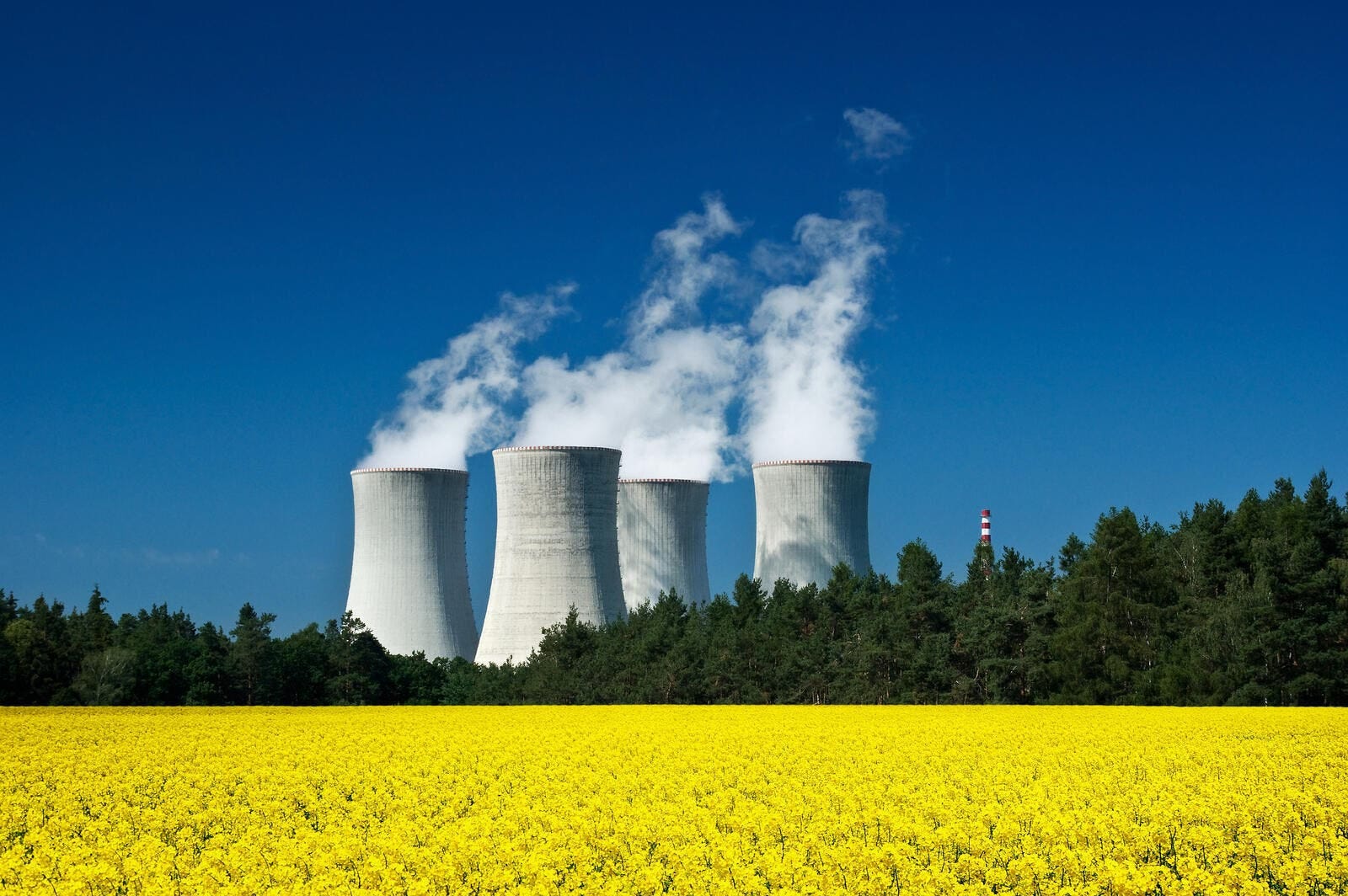
Above: nuclear fuels have the highest energy density of any known material by many orders of magnitude.
Energy Density: a Critical Concept that Governs our Energy Use
Energy density is a critical concept in the fields of energy and thermodynamics. It may be defined as the energy content of an element, material or device by unit mass or volume. The units of energy density are usefully expressed in the units of Megajoules/kilogram. Below is a chart of the energy densities of common combustible materials.

Energy density chart: a lithium battery (device) has the lowest energy density, while hydrogen is the highest.
Regarding the energy density of hydrogen, hydrogen gas is costly to produce, purify, compress and transport. It takes more energy to isolate 1 kg of hydrogen than the 1 kg of hydrogen contains (142MJ/kg). Hydrogen is typically produced from stripping hydrocarbons, but could be more efficiently produced by electrolysis of water using electricity derived from nuclear power.

Above: back-up plan
Energy Density: an EV Cannot Overcome an ICE Vehicle in Overall Efficiency
Yes Martha, an electric motor is extremely efficient, but….The energy density of a lithium battery is very low, and to charge, remote power plants are required to pump electricity over distances with great attendant losses (waste heat, V=IR). Forcing electrons into batteries at a remote charging station consumes additional energy and generates more waste heat.
Importantly, despite ICE vehicles having engines with only about 30 % thermodynamic efficiency, ICE wins overall because the the vehicles carry a high energy density fuel onboard, namely petrol or diesel (45 MJ/kg).
The Highest Energy Density by Many Orders of Magnitude: Uranium and other Fissionable Elements
Compare the uranium energy density of uranium (79,390,000 MJ/kg) to hydrogen (142MJ/kg) for example.
Per fission below: E=mc^2, U-235 : 79,390,000 MJ/kg or 7.9 x 10^7 MJ/kg
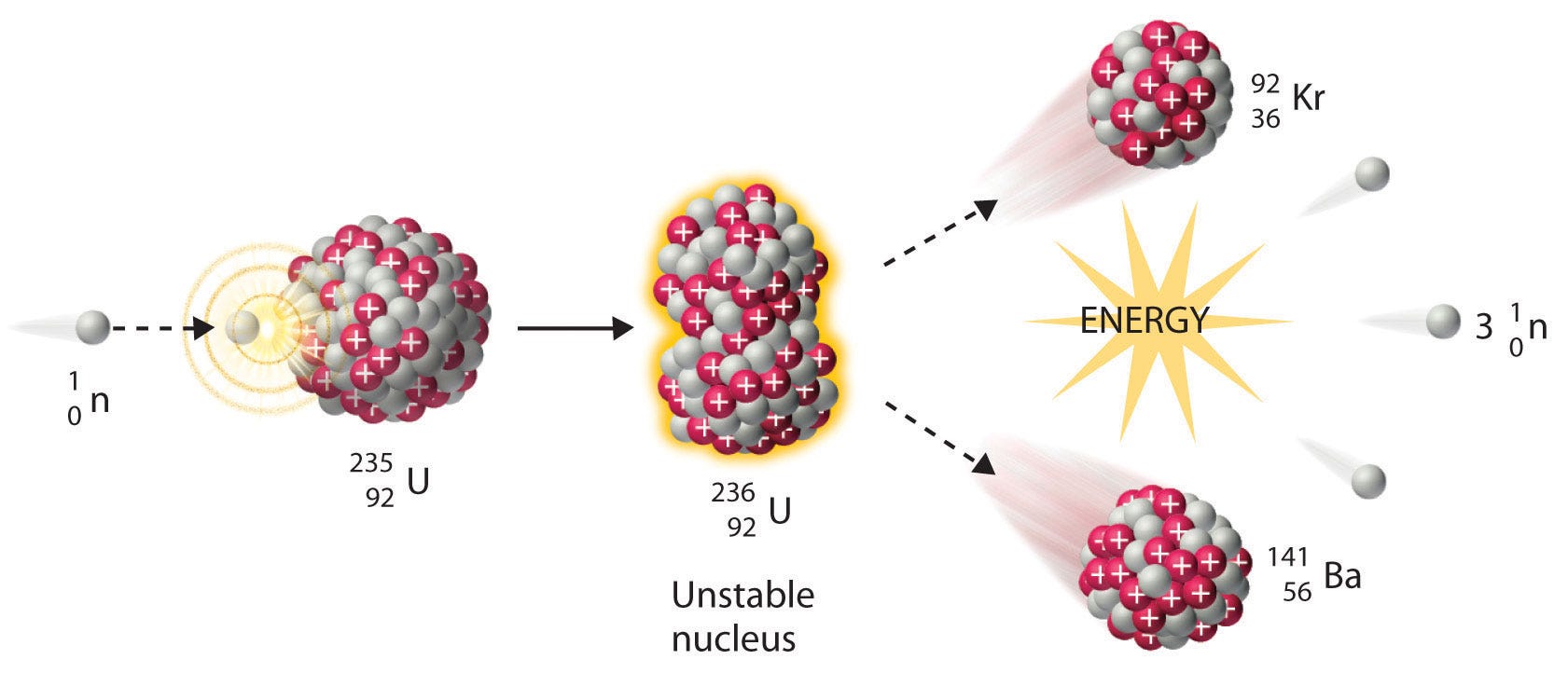
Given the high energy density of nuclear fuels, one can see that nuclear energy can provide a large fraction of our energy needs. For example, a 10 gram uranium fuel pellet produces as much energy as 1 ton of coal.
Nuclear power plant efficiency may be as high as 33–37% in light water reactors, and most importantly, they operate at a high 92-93% capacity factor or uptime.
Conclusions: Energy is Not Renewable, Energy Density and Efficiency Rule
Energy density is a critical concept in the fields of energy and thermodynamics. The greater the energy density, the more useful a material or device is for energy transformation. Energy is not renewable and there is no such thing as renewable energy. We can only be more efficient.
The Law of Conservation of Energy, which is also known as the First Law of Thermodynamics, states:
Energy cannot created or destroyed (or renewed), but rather only transformed from one form to another.
We can only be more efficient because change in energy in a system is the sum of heat and work: ∆E = Q + W.
The Second Law teaches us that processes tend towards disorder (increasing entropy) and that most processes are irreversible. Entropy and waste heat are unfulfilled work.

Above: like Sisyphus, we push the ball uphill to create things in our modern world. This involves doing work and creating waste heat along the way. This is achieved using fossil fuels and other energy sources.
Thank you 🙏
Environists (no mental in the middle) tell us that hydrogen produced by electrolysis from solar panels and windmills is the savior. Hydrogen is difficult to transport and store. It leaks through all metals, embrittling them on the way. A hydrogen pipeline must be three times larger than a methane pipeline to deliver the same power. The end-to-end efficiency of today's hydrogen systems, from solar panels to pipelines to fuel cells in your virtue-signaling Toyota Mirai, is about 22%. It's far more dangerous than methane. The explosive range is 4-96% in air, compared to methane's 46-54%.
We will need hydrocarbons indefinitely, unless somebody has secret blueprints for airplanes and ships that don't need them. Mined ones will be depleted eventually, and become too valuable as chemical feedstock to burn them. When that ton of bricks hits us, we can make hydrocarbons using CO2 extracted from seawater (where its concentration is 140 times greater than in the atmosphere) using bipolar membrane electrodialysis and hydrogen separated from water, combined by the Fischer-Tropsch process. The most energy-efficient way to obtain hydrogen (that I know of) is the thermochemical copper-chlorine process that needs heat, ironically, at exactly the core temperature of a nuclear reactor. Much more efficient than using the heat to make steam, then electricity, then electrolysis.
Details in my book "Where Will We Get Our Energy? A Comprehensive Quantitative System Engineering Study of the Relationship between Climate, Science, and Technology." Everything quantified. No vague handwaving. 350 bibliographic citations allow readers to verify I didn't simply make up stuff.